
About Nanoose Bay

Nanoose Bay’s Undersea World
From the shore, Nanoose Bay looks like calm, uneventful water. Below the surface lies a genuine undersea world — rock walls, kelp, and a rich stretch of the Salish Sea’s marine life, much of it barely a swim from the beach. For what’s happening back on dry land, see Nanoose Bay’s Land Wildlife.
Nanoose Bay’s Undersea World: Part of the Salish Sea
These waters are part of the Strait of Georgia, itself part of the larger Salish Sea system (see What You Can See From Nanoose Bay’s Shoreline for what’s visible above the waterline) that also includes the Strait of Juan de Fuca and Puget Sound — a huge estuary fed by hundreds of rivers, from tiny creeks up to the Fraser River, all shaping a body of water genuinely rich in marine life.
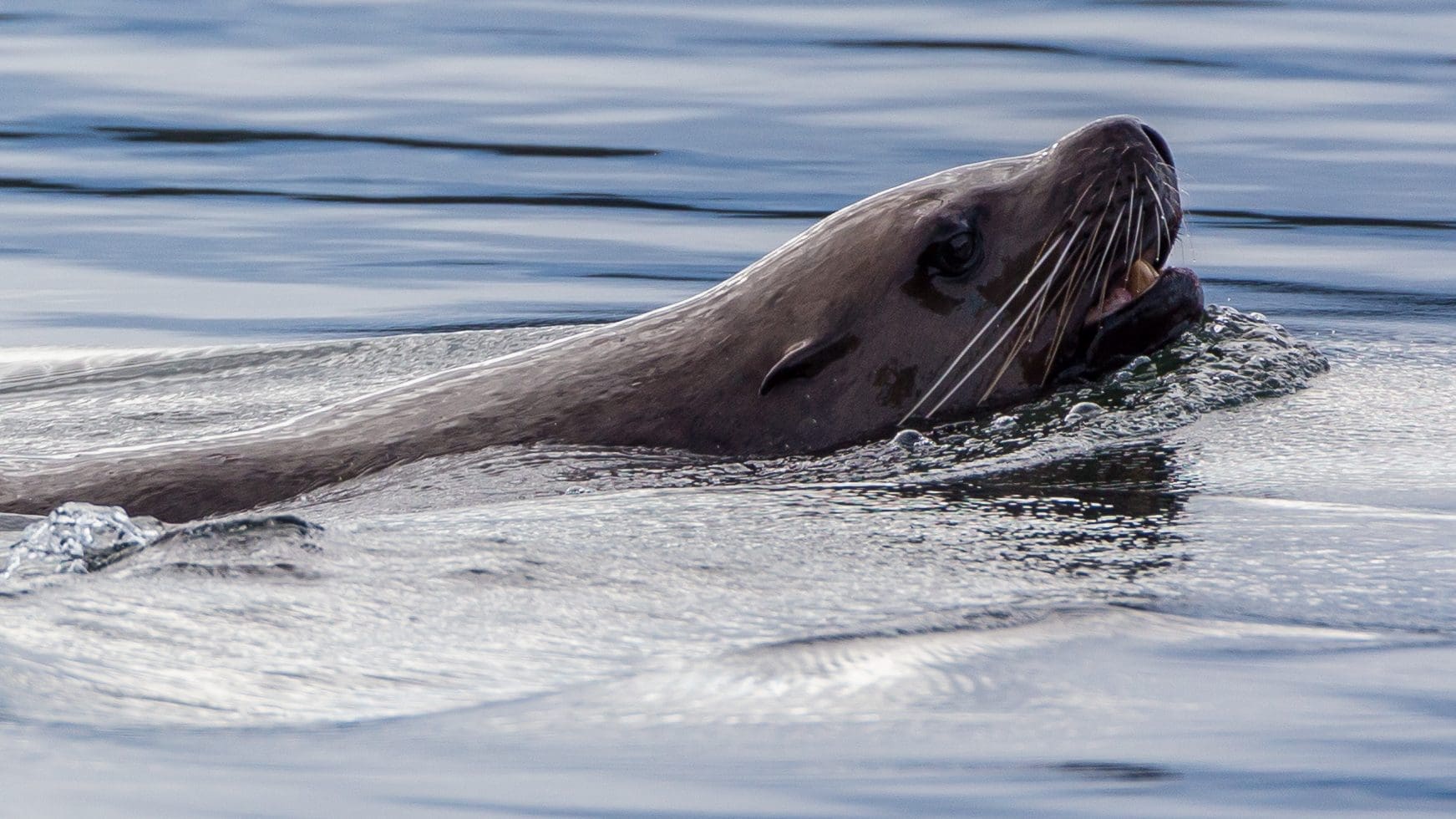
The wider Strait is home to killer whales, humpback whales, porpoises, seals, sea lions, and giant Pacific octopus, and its deeper basins host one of the region’s most remarkable natural features: ancient glass sponge reefs, a globally rare, ice-age ecosystem once thought extinct until living reefs were rediscovered in these waters.
These reef-forming sponges filter enormous volumes of water and provide critical habitat for rockfish, prawns, and countless other species — though the confirmed reef locations best documented so far sit mainly in the Strait of Georgia and Howe Sound more broadly, not specifically pinpointed within Nanoose Bay itself. Worth knowing as context for what these waters are part of, even without a confirmed reef on our own doorstep.
What’s Actually Here, Locally
Closer to home, the evidence is easy to find without diving gear at all. Low tide at Beachcomber Regional Park exposes flat rocks thick with starfish, crabs, and sea anemones. Brickyard Community Park regularly sees sea lions hauled out on the offshore islands — sometimes in real numbers during herring spawn — and has had confirmed orca sightings along the shoreline. Cottam Point and Wall Beach are known gathering spots for seals and sea lions, with Wall Beach in particular drawing them in numbers over the winter months.
Underwater, Madrona Point is where this ecosystem is easiest to actually see up close. Its rock walls — a smaller one around 10 metres down, a larger one reaching roughly 25 metres — are consistently described by local divers as rich with rockfish, wolf eels, and octopus, the kind of density that keeps experienced divers coming back to the same modest shore-access site rather than chasing more dramatic locations elsewhere on the coast.
An Unlikely Assist From CFMETR
Even CFMETR, the naval test range that otherwise sits apart from the rest of Nanoose Bay’s story, connects here. The deep, soft, obstruction-free seabed that made this stretch of water useful for recovering test torpedoes is the same kind of seafloor that tends to support rich benthic (bottom-dwelling) habitat elsewhere in the Strait. It’s a reminder that the area’s natural and industrial histories aren’t really separate stories; they’re shaped by the same underlying geography.
Worth Protecting
The Salish Sea broadly is under real pressure — population growth, urbanization, and climate change are all cited by regional conservation groups as active threats to this ecosystem. That context is worth carrying into every one of these local spots: the tide pools at Beachcomber, the sea lions at Brickyard, the rock walls at Madrona are not an inexhaustible backdrop. They’re a genuinely rare, still-recovering part of a much larger and increasingly pressured marine system, and worth treating that way. Es-hw Sme~nts Community Park is another well-loved local shore dive worth knowing about.
Last updated:
← Back to All the Stories | See also: Madrona Point and Wall Beach | View on the map →